
Winter Diseases in Children: Common Winter Illnesses & Prevention Tips for Parents in Roorkee, Uttarakhand

Dr. Mohd Shaban
Neonatologist • Serenity Children Hospital Roorkee
Dedicated to advancing Paediatric care, child health awareness, and supporting parents with evidence-based medical advice.
Winter Diseases in Children: Common Winter Illnesses & Prevention Tips for Parents in Roorkee, Uttarakhand
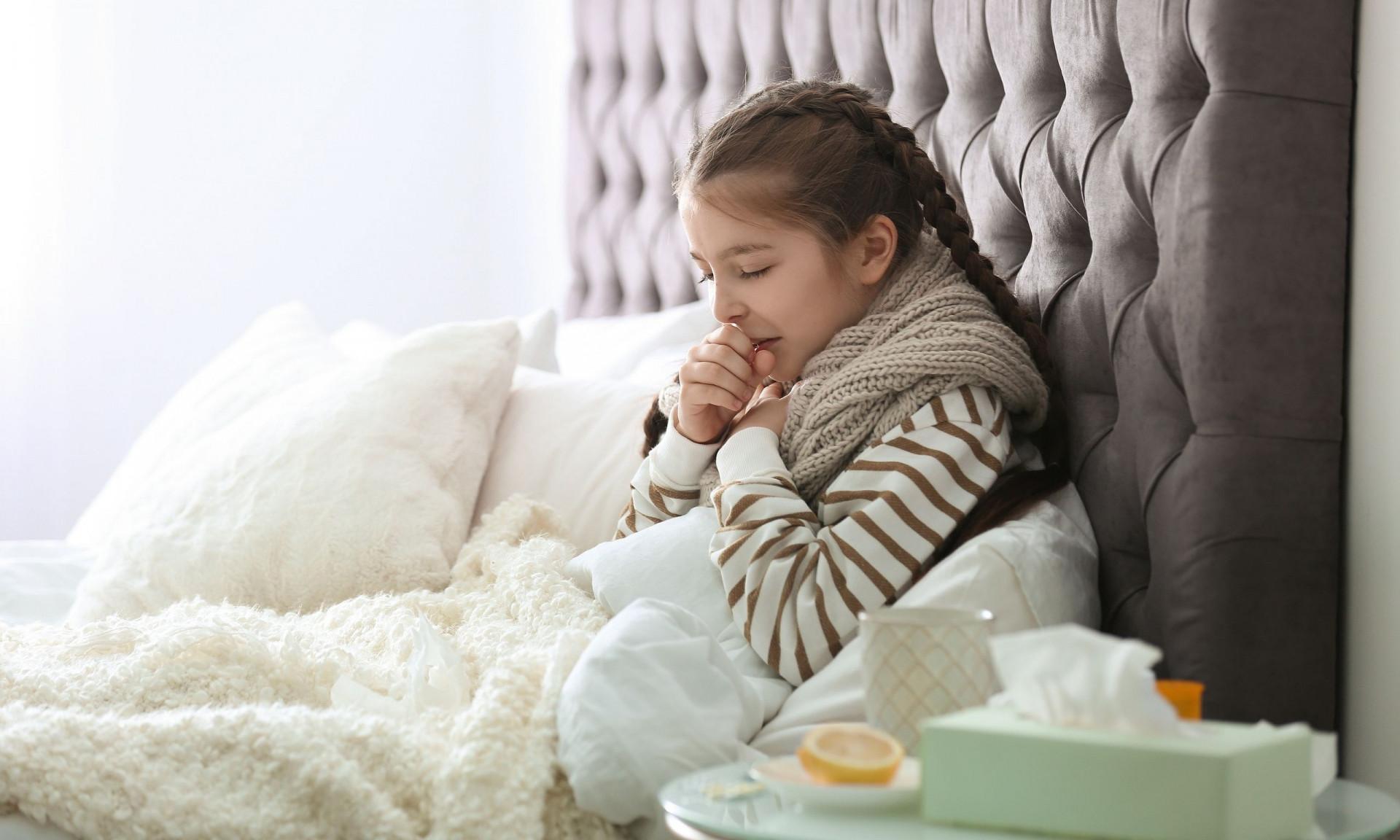
Winter brings cooler temperatures, shorter days and a higher occurrence of several respiratory infections in children. For parents in Roorkee and nearby areas of Uttarakhand, winter can be a time when children develop repeated cough, cold, fever, sore throat, wheezing or breathing difficulties.
Children, particularly infants and younger children, can be more vulnerable to respiratory infections. Influenza, RSV and other respiratory viruses can spread through respiratory particles and close contact. Some infections may remain mild, while others can develop into conditions requiring medical attention.
Understanding the common winter diseases in children, their warning signs and ways to reduce infection risk can help parents respond appropriately.
Common Winter Diseases in Children
1. Common Cold
The common cold is one of the most frequent illnesses affecting children during the colder months.
Children may experience:
-
Runny or blocked nose
-
Sneezing
-
Mild cough
-
Sore throat
-
Mild fever
-
Reduced appetite
-
Tiredness or irritability
Most uncomplicated viral colds improve with supportive care. However, parents should seek medical advice if symptoms are severe, persistent or accompanied by breathing difficulty.
2. Influenza (Flu)
Influenza is a contagious respiratory infection caused by influenza viruses. It can spread easily when an infected person coughs or sneezes.
Typical symptoms may include:
-
Sudden fever
-
Dry or persistent cough
-
Sore throat
-
Headache
-
Body aches
-
Fatigue
-
Runny nose
WHO notes that young children are among the groups at increased risk of complications from influenza. Annual influenza vaccination can provide protection against seasonal influenza.
If your child develops high fever with significant weakness, breathing problems, dehydration or worsening symptoms, consult a pediatrician promptly.
3. Bronchiolitis
Bronchiolitis is an infection of the small airways of the lungs and is particularly important in infants and young children.
RSV is one of the common causes of bronchiolitis. WHO reports that RSV is a major cause of acute lower respiratory infections in young children, with infants—especially those younger than six months—at increased risk of severe disease.
Symptoms may include:
-
Runny nose
-
Cough
-
Fever
-
Fast breathing
-
Wheezing
-
Difficulty feeding
-
Increased effort while breathing
Babies who are feeding poorly or showing signs of breathing difficulty should be assessed by a healthcare professional.
4. Pneumonia
Pneumonia is an infection affecting the lungs and can be caused by viruses, bacteria or other organisms.
Possible symptoms include:
-
Fever
-
Cough
-
Fast or difficult breathing
-
Chest discomfort
-
Poor feeding in infants
-
Unusual sleepiness or weakness
-
Reduced activity
-
Bluish lips or skin in severe cases
Pneumonia can become serious, particularly in younger children. WHO identifies pneumonia as an important cause of illness and preventable death among children and provides specific guidance for managing pneumonia in children.
5. Wheezing and Asthma Exacerbations
Cold air, respiratory infections and environmental irritants can trigger symptoms in some children with asthma or recurrent wheezing.
Parents may notice:
-
Wheezing or a whistling sound while breathing
-
Recurrent cough
-
Chest tightness
-
Shortness of breath
-
Difficulty exercising or playing
Children who already have asthma should follow the treatment and action plan provided by their doctor.
6. Sore Throat and Tonsillitis
Children may develop sore throat during viral respiratory infections. In some cases, bacterial infections can also affect the throat and tonsils.
Symptoms can include:
-
Throat pain
-
Difficulty swallowing
-
Fever
-
Enlarged or painful tonsils
-
Bad breath
-
Swollen glands in the neck
A pediatric evaluation may be appropriate when throat pain is severe, fever is significant or symptoms are persistent.
7. Ear Infections
A cold or respiratory infection can sometimes be followed by an ear infection, particularly in younger children.
Possible signs include:
-
Ear pain
-
Irritability
-
Difficulty sleeping
-
Fever
-
Pulling or rubbing the ear
-
Reduced response to sounds
If an infant or young child becomes unusually irritable after a respiratory infection, an ear infection may be one possible cause.
8. Dry Skin, Eczema and Winter Skin Problems
Winter air can be dry, which may worsen dry skin and eczema in some children.
Parents may notice:
-
Dry or rough skin
-
Itching
-
Red patches
-
Cracked skin
-
Flare-ups of existing eczema
Regular use of a child-appropriate moisturizer and avoiding excessively hot baths may help protect the skin barrier.
Why Do Children Get More Respiratory Infections in Winter?
Winter itself does not directly cause viral infections. Respiratory viruses spread through infected respiratory particles and close contact.
During colder months, children may spend more time indoors, attend school or daycare and have closer contact with other children. These conditions can facilitate transmission of respiratory infections.
In addition, cold and dry environmental conditions may aggravate respiratory symptoms in children who are already susceptible to conditions such as asthma.
Winter Health Tips for Children in Roorkee
Parents can take several simple steps to reduce the risk of winter illnesses.
1. Encourage Regular Handwashing
Teach children to wash their hands with soap and water, particularly:
-
Before eating
-
After using the toilet
-
After returning from school
-
After playing outside
-
After coughing or sneezing
2. Keep Children Warm Without Overheating
Dress children appropriately for the weather, particularly early mornings and evenings when temperatures can feel colder.
Use comfortable layers instead of excessively heavy clothing that may cause sweating and discomfort.
3. Maintain Good Indoor Ventilation
Avoid keeping rooms completely closed for prolonged periods. Appropriate ventilation can improve indoor air quality.
Parents should also avoid exposing children to cigarette smoke, vaping aerosols and other respiratory irritants.
4. Encourage Adequate Fluids
Children should continue drinking adequate fluids during winter. Warm fluids may be comfortable for some children, but there is no need to force particular drinks or home remedies.
5. Provide a Balanced Diet
A varied diet containing fruits, vegetables, whole grains, pulses, dairy or suitable alternatives and adequate protein supports normal growth and overall health.
There is no single food that can prevent winter infections.
6. Keep Vaccinations Up to Date
Parents should ensure that their child's routine vaccinations are up to date.
Depending on the child's age, health conditions and doctor's advice, additional vaccines such as seasonal influenza vaccination may also be appropriate. WHO recommends annual influenza vaccination for protection against seasonal influenza.
7. Keep Sick Children at Home When Appropriate
If a child has a significant fever or is unwell, allowing them to rest at home can help recovery and reduce the chance of spreading infection to classmates and other children.
When Should You Take Your Child to a Pediatrician?
A common cold may often improve with supportive care, but certain symptoms require prompt medical evaluation.
Seek medical attention if your child has:
-
Difficulty breathing
-
Very fast breathing
-
Chest pulling in while breathing
-
Persistent or high fever
-
Blue or grey lips or face
-
Severe weakness or unusual sleepiness
-
Difficulty drinking or breastfeeding
-
Signs of dehydration
-
Repeated vomiting
-
Seizures
-
Symptoms that are getting worse instead of better
Infants, especially very young babies, may need earlier medical assessment when they develop fever, breathing problems, feeding difficulty or unusual sleepiness.
Do not wait for symptoms to become severe if you are concerned about your child's breathing or overall condition.
Winter Illnesses in Children: When Home Care May Not Be Enough
Parents sometimes delay a pediatric consultation because cough and cold are common during winter. However, symptoms that are severe, persistent or progressively worsening should not be ignored.
Respiratory illnesses can range from mild upper respiratory infections to more serious lower respiratory conditions such as bronchiolitis and pneumonia. WHO's updated childhood illness guidance emphasizes evidence-based management of respiratory conditions such as bronchiolitis and asthma.
Avoid giving antibiotics to children without medical advice. Many common respiratory infections are viral, and antibiotics do not treat viral infections.
Similarly, avoid giving cough and cold medicines, steroids or other medications to young children unless recommended by a qualified healthcare professional.
Winter Child Health Care in Roorkee, Uttarakhand
For parents searching for a child specialist in Roorkee, timely pediatric assessment can be particularly important when a child's cough, fever, wheezing or breathing difficulty is persistent or worsening.
Families from Roorkee, Ramnagar, Ganeshpur, Civil Lines, Solani Puram, Bhagwanpur, Manglaur, Laksar and nearby areas of Haridwar and western Uttarakhand can seek pediatric medical care when their child develops concerning symptoms.
A pediatrician can assess the child's symptoms, breathing, hydration, temperature and overall condition and determine whether further investigation or treatment is required.
Frequently Asked Questions About Winter Diseases in Children
What are the most common winter diseases in children?
Common winter illnesses include viral cold, influenza, sore throat, bronchiolitis, pneumonia, ear infections and worsening of asthma or recurrent wheezing.
Why does my child cough more during winter?
Cold and dry air may irritate the airways, while respiratory infections become common during winter. Children with asthma or recurrent wheezing may also experience worsening symptoms.
When should I worry about my child's cough?
A cough deserves medical attention when it is accompanied by breathing difficulty, rapid breathing, chest retractions, persistent fever, poor feeding, dehydration, unusual sleepiness or worsening symptoms.
Can children get pneumonia from cold weather?
Pneumonia is caused by infections rather than cold weather itself. However, respiratory infections are common during colder periods, and some infections can progress to pneumonia.
How can I protect my child from winter infections?
Encourage hand hygiene, keep vaccinations up to date, maintain good nutrition and hydration, avoid tobacco smoke, maintain appropriate indoor ventilation and limit close contact with people who are sick.
Should I give antibiotics for my child's cough and cold?
Not unless prescribed by a qualified healthcare professional. Many childhood coughs and colds are caused by viruses, against which antibiotics are not effective.
Protect Your Child This Winter
Winter illnesses in children are common, but parents can reduce risks by maintaining good hygiene, keeping vaccinations up to date, providing adequate nutrition and recognizing warning signs early.
If your child develops persistent fever, breathing difficulty, wheezing, poor feeding, dehydration or unusual sleepiness, consult a pediatrician rather than relying only on home remedies.
For families in Roorkee and surrounding areas of Uttarakhand, having access to timely pediatric care can help ensure that children receive appropriate evaluation when winter illnesses become concerning.
If you are looking for a child specialist or pediatric hospital in Roorkee, contact your local pediatric healthcare provider for an evaluation based on your child's symptoms and age.
Frequently Asked Questions (FAQs)
Need Paediatric Advice?
Book a consultation with our specialist Paediatricians and neonatologists at Serenity Hospital.
Book Appointment Online